However, annual inspections are required to keep the system in working order and up to code. Finding problems or upgrades needed to stay in compliance requires this regular maintenance.

We provide Emergency Lighting Certification in London to help businesses remain fully compliant with current safety regulations. Our experienced team carries out thorough inspections and testing of emergency lighting systems to ensure they meet the required standards for visibility, reliability, and performance during power failures or emergency situations. Once the system meets all compliance requirements, we issue an Emergency Lighting Certificate, giving you complete assurance of safety, legal compliance, and preparedness — while protecting occupants and reducing potential risks.
Prices may vary based on property location, congestion, and parking charges
Up to 3 Emergency Lights – £59.00
Up to 6 Emergency Lights – £79.00
Up to 12 Emergency Lights – £129.00
Up to 3 Emergency Lights – £79.00
Up to 6 Emergency Lights – £99.00
Up to 12 Emergency Lights – £149.00
Here’s a polished and professional rewrite of your content:
An Emergency Lighting Certificate provides official proof that your building’s emergency lighting system meets UK safety standards. It confirms that lights are installed and maintained correctly to guide occupants to safety during a power outage or emergency. The certificate demonstrates compliance with the Emergency Lighting (Safety) Regulations 1997 and BS 5266-1, providing legal and regulatory assurance for both commercial and residential properties.
Definition: The Emergency Lighting (Safety) Regulations 1997 set the legal requirements for emergency lighting in the UK. Systems must comply with these regulations and BS 5266-1, which outline the correct design, installation, and ongoing maintenance of emergency lighting to ensure safety.
Validity: Emergency Lighting Certificates are valid for five years. However, annual inspections are required to ensure the system remains fully operational and compliant. Regular maintenance helps identify issues or necessary upgrades to maintain compliance and guarantee occupant safety.
Emergency lighting guarantees that exit routes remain illuminated during power outages, fires, or system failures. In low-visibility situations, these lights guide occupants safely to the nearest exits and evacuation routes, helping maintain calm and order. Properly functioning emergency lighting is crucial during crises, ensuring a safe and efficient evacuation and ultimately saving lives.
Emergency lighting is required by law in HMOs, commercial premises, and public spaces across the UK. Compliance with BS 5266-1 and the Emergency Lighting (Safety) Regulations 1997 ensures that systems are installed correctly and maintained through regular testing. Proper emergency lighting provides peace of mind for property owners, tenants, employees, and the public by guaranteeing safe and reliable evacuation in an emergency.
Failing to comply with emergency lighting regulations can lead to fines, legal action, and, in severe cases, criminal prosecution. Property owners or managers may be held accountable, especially if non-compliance results in injury or loss of life. Regular inspections and proper maintenance help prevent these risks and ensure the safety of all building occupants.
Self-contained emergency lights come with an internal power source, typically a battery, allowing them to operate independently of the main electrical system. These units are perfect for small to medium-sized properties, such as offices or residential buildings, as they are easy to install, simple to maintain, and provide an affordable solution to ensure safety during power outages.
Centralised emergency lighting systems powered by a lead-acid battery can supply multiple emergency lights throughout larger buildings. These systems are ideal for public buildings, commercial premises, and hospitals, providing a reliable and controlled power source from a central location. Regular maintenance of the central battery is essential to ensure the system functions correctly during an emergency.
Non-maintained emergency lights activate only when the main power fails. These lights remain off during normal operation and switch on automatically in an emergency. They are commonly installed in areas such as stairwells and exit routes, providing illumination only when needed to guide occupants safely.
Maintained emergency lights operate continuously, running both during normal conditions and in emergencies. These lights are commonly used in public spaces such as airports, theatres, and shopping centres, where constant illumination is essential. Maintained systems ensure that safety lighting is always available, providing building occupants with continuous peace of mind.
Combination emergency lights incorporate both maintained and non-maintained functions. One light source operates continuously, while the other activates only during a power outage. This dual functionality makes them a flexible solution suitable for a variety of settings, enhancing safety across different situations.
A central lead-acid battery can power multiple emergency lights throughout larger buildings. This type of system is ideal for public buildings, commercial premises, and hospitals, providing a reliable and centrally controlled power source. Regular maintenance of the central battery is essential to ensure the emergency lighting system functions correctly during an outage or emergency.
The LED indicators on emergency lighting systems should be checked weekly to ensure proper operation. These lights provide a quick and easy way to identify faults without performing a full inspection, helping to maintain the system’s reliability and safety.
Emergency lights should be tested monthly using the built-in test switch. This activates the lights to simulate a power failure, ensuring each unit operates correctly and illuminates as intended. Regular monthly testing helps identify potential issues early, keeping your emergency lighting system reliable and compliant.
Every six months, emergency lighting batteries should be discharged for at least one hour. This test evaluates the battery’s ability to maintain illumination for an extended period, ensuring the system will function correctly during an actual emergency.
Annually, emergency lighting systems should undergo a full 3-hour battery discharge test. This ensures the lights remain fully operational without the main power supply, verifying that the battery can sustain illumination for the required duration during an emergency.
The cost of an Emergency Lighting Certificate depends on the size and complexity of the property. Typical prices range from £59 to £199 for smaller homes or multi-unit residential properties.
For larger commercial buildings or properties with more complex lighting systems, prices usually range from £79 to £499. This generally includes the inspection, testing, and issuance of the certificate.
Additional costs may apply for any repairs or adjustments required to ensure compliance. Working with licensed professionals ensures transparent pricing and accurate quotes tailored to your property’s specific needs.
Emergency lighting is essential for interior spaces, such as hallways, stairwells, corridors, offices, schools, and hospitals. These areas often serve as critical evacuation routes during emergencies. Proper lighting ensures occupants can safely exit the building during a power outage or fire, helping to reduce panic and confusion.
Outdoor spaces, including car parks, petrol stations, and areas without consistent artificial lighting, also require emergency lighting. These locations can become hazardous during power outages or low-visibility conditions. Emergency lighting ensures safe movement for both pedestrians and vehicles, maintaining safety and compliance.
Emergency lighting is critical in high-risk locations, such as plant rooms, kitchens, and storage areas containing hazardous materials. In an emergency, clear visibility is essential, as these areas are more prone to accidents and safety hazards. Properly installed emergency lighting guides occupants to safer zones and helps prevent further risks.
Process:
Emergency light testing simulates a power outage to ensure the system operates correctly. During the test, the lights automatically turn on when the main power supply is interrupted, verifying that they activate promptly and provide safe illumination for occupants.
Duration:
The emergency lights are disconnected from the main power supply for three hours during the annual test. This ensures the battery can sustain illumination for the legally required period in the event of a prolonged power loss.
Inspection Log:
After each test, an inspection log is maintained. This records the test date, time, duration, and any faults or issues detected. Keeping this log is a legal requirement to maintain the system and demonstrate compliance with safety regulations.
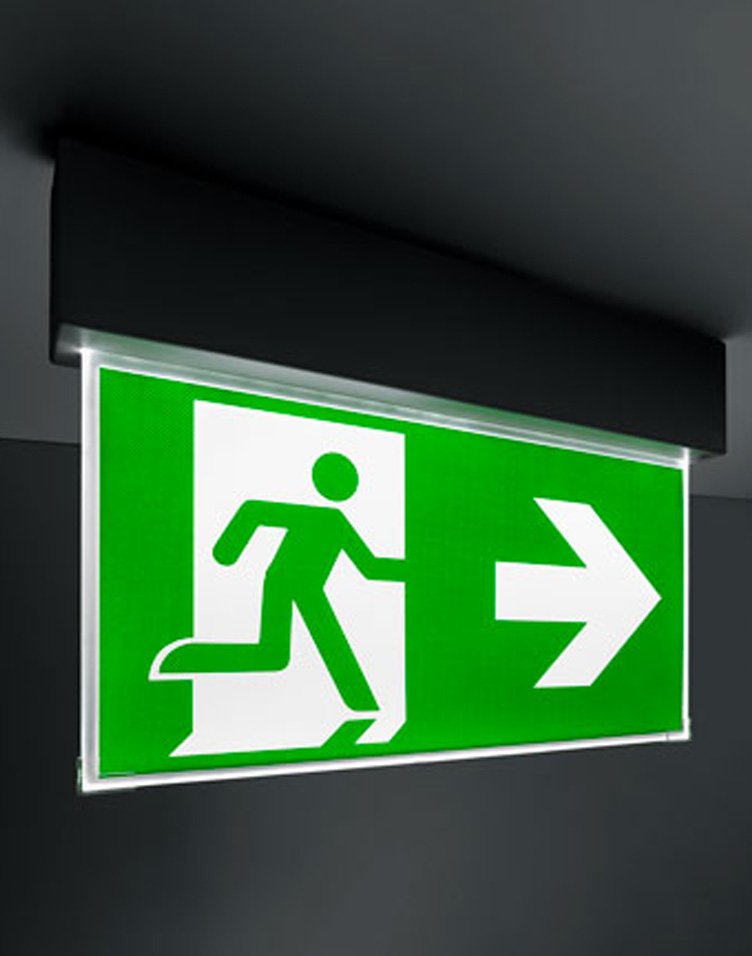
Like any electrical system, emergency lights can fail over time. Regular testing helps identify issues such as faulty bulbs, drained batteries, or malfunctioning components. Detecting these problems early ensures the lighting system operates effectively when it’s needed most, keeping occupants safe during an emergency.
UK regulations require emergency lighting systems to be tested and maintained regularly. Performing these checks demonstrates compliance with safety standards, protecting property owners and managers from fines or legal action. Maintaining a detailed log of inspections and tests also provides crucial evidence during audits or investigations.
Regular testing of emergency lighting minimizes the risk of accidents or injuries during an emergency. By ensuring your building is safe for occupants, you also reduce the likelihood of legal claims or penalties resulting from non-compliance with safety regulations.
The LED indicators on emergency lighting units are part of a weekly visual inspection. These LEDs show whether the system is powered and functioning correctly. Performing this quick check allows any faults or issues to be identified promptly, ensuring the system remains fully operational and ready for emergencies.
A monthly test is conducted using the test switch to simulate a power outage. This ensures that emergency lights activate immediately and function correctly in an emergency. The test also helps identify any early faults or issues, keeping the system reliable and fully operational.
Every six months, emergency lighting system batteries undergo a one-hour discharge test. This simulates a real emergency scenario where the main power is off for an extended period. The test ensures that the batteries can sustain the lights and confirms their capacity and reliability when needed most.
Once a year, a full three-hour battery discharge test is carried out on the emergency lighting system. This ensures that the lights remain operational for the required duration during an extended power outage. As the most comprehensive test, it verifies both compliance with regulations and long-term functionality of the system.







At frapro.co.uk, we deliver trusted and fully insured fire safety services for both residential and commercial properties across London. Our qualified and experienced team provides independent, cost-effective solutions tailored to your specific requirements.
07478076550
admin@frapro.co.uk
127 Baron Road, Dagenham, Essex, United Kingdom, RM8 1TX
Copyright © 2026 Frapro.co.uk. All Right Reserved