Introduction to Emergency Lighting Certificate

Emergency Lighting Certificate in London

Cost From – £59

We provide Emergency Lighting Certification in London to help businesses remain fully compliant with current safety regulations. Our experienced team carries out thorough inspections and testing of emergency lighting systems to ensure they meet the required standards for visibility, reliability, and performance during power failures or emergency situations. Once the system meets all compliance requirements, we issue an Emergency Lighting Certificate, giving you complete assurance of safety, legal compliance, and preparedness — while protecting occupants and reducing potential risks.

Affordable Pricing

Transparent price with no hidden charges.
Prices may vary based on property location, congestion charges and parkin fee.

Residential Prices

Ideal for homes, flats and landlords

Up to 3 Emergency Lights – £59

Up to 6 Emergency Lights – £79

Up to 12 Emergency Lights – £129

Commercial Prices

Suitable for offices, shops and businesses

Up to 3 Emergency Lights – £79

Up to 6 Emergency Lights – £99

Up to 12 Emergency Lights – £149

What is an Emergency Lighting Certificate?

Why is Emergency Lighting Important?

Purpose

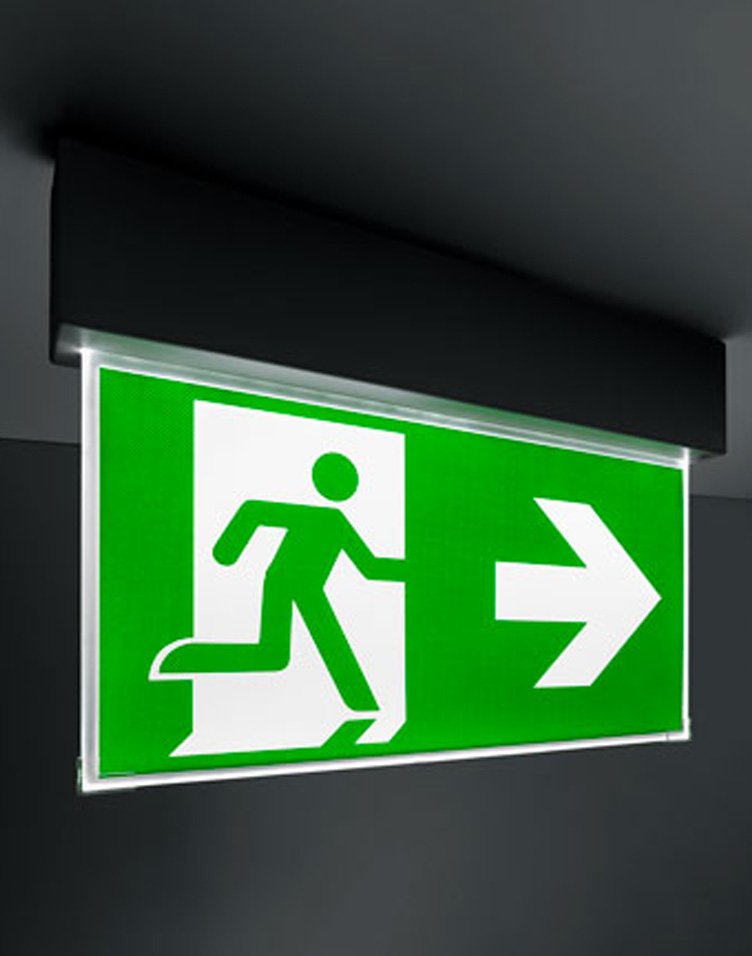
Emergency lighting guarantees that exit routes remain illuminated during power outages, fires, or system failures. In low-visibility situations, these lights guide occupants safely to the nearest exits and evacuation routes, helping maintain calm and order. Properly functioning emergency lighting is crucial during crises, ensuring a safe and efficient evacuation and ultimately saving lives.

Safety & Legal Compliance

Emergency lighting is required by law in HMOs, commercial premises, and public spaces across the UK. Compliance with BS 5266-1 and the Emergency Lighting (Safety) Regulations 1997 ensures that systems are installed correctly and maintained through regular testing. Proper emergency lighting provides peace of mind for property owners, tenants, employees, and the public by guaranteeing safe and reliable evacuation in an emergency.

Penalties for Non-Compliance

Failing to comply with emergency lighting regulations can lead to fines, legal action, and, in severe cases, criminal prosecution. Property owners or managers may be held accountable, especially if non-compliance results in injury or loss of life. Regular inspections and proper maintenance help prevent these risks and ensure the safety of all building occupants.

Types of Emergency Lighting

Self-Contained Emergency Light

Self-contained emergency lights come with an internal power source, typically a battery, allowing them to operate independently of the main electrical system. These units are perfect for small to medium-sized properties, such as offices or residential buildings, as they are easy to install, simple to maintain, and provide an affordable solution to ensure safety during power outages.

Central Battery Emergency Lighting

Centralised emergency lighting systems powered by a lead-acid battery can supply multiple emergency lights throughout larger buildings. These systems are ideal for public buildings, commercial premises, and hospitals, providing a reliable and controlled power source from a central location. Regular maintenance of the central battery is essential to ensure the system functions correctly during an emergency.

Non-Maintained Emergency Light

Non-maintained emergency lights activate only when the main power fails. These lights remain off during normal operation and switch on automatically in an emergency. They are commonly installed in areas such as stairwells and exit routes, providing illumination only when needed to guide occupants safely.

Maintained Emergency Light

Maintained emergency lights operate continuously, running both during normal conditions and in emergencies. These lights are commonly used in public spaces such as airports, theatres, and shopping centres, where constant illumination is essential. Maintained systems ensure that safety lighting is always available, providing building occupants with continuous peace of mind.

Sustained Emergency Light

Combination emergency lights incorporate both maintained and non-maintained functions. One light source operates continuously, while the other activates only during a power outage. This dual functionality makes them a flexible solution suitable for a variety of settings, enhancing safety across different situations.

How Emergency Light Testing Works

Accreditaions & Certifications

At FRA PRO, we are committed to delivering fire safety services to high professional standards. We work with experienced and appropriately qualified contractors whose professional training, certifications and industry memberships may include recognised organisations such as IFSM, EAL, NEBOSH, UK Fire Door Training and City & Guilds. This enables us to arrange competent professionals with relevant qualifications for each type of fire safety service.

Professionally Accredited Assessors

These credentials validate our commitment to strong technical knowledge, ongoing professional development, and delivering every assessment by qualified, registered industry experts.

Compliance You Can Rely On

Our accreditations ensure our assessments meet – and often exceed – essential fire safety standards, giving our clients complete confidence in our work.

Trusted By Clients Across Sectors

We continuously update our knowledge and skills to stay ahead of industry evolving fire safety needs.

A Partner you can Rely on

We take a practical approach to fire safety, working closely with clients to deliver reliable solutions for businesses, landlords, and property managers.

Frequently Asked Questions (FAQs)

An Emergency Lighting Certificate confirms that an existing emergency lighting system has been inspected and tested by a competent person and is operating in accordance with the relevant standards.

Where emergency lighting is required as part of the fire safety arrangements, it should be properly maintained and regularly tested. The Fire Risk Assessment helps determine whether emergency lighting is required.

Emergency lighting should be checked regularly, including routine monthly tests and a full-duration annual test. Test results should be recorded in the emergency lighting logbook.

The inspection can include checking emergency light fittings, exit signs, batteries, operation during power failure, illumination levels and any faults or deviations from the applicable requirements

The certificate records the inspection and testing carried out at a particular time. Emergency lighting must continue to be inspected, tested and maintained at the appropriate intervals rather than relying on one certificate indefinitely.