Fire safety is an important part of managing any property in London. Whether you own a rental property, commercial building, office, shop, or apartment block, understanding fire risks is essential for protecting people and meeting legal responsibilities. In a large borough like Waltham Forest, buildings vary greatly in age, layout, and use, which means fire risks can also differ from one property to another.
FRA Pro provides professional fire risk assessment services throughout London, including across Waltham Forest. The aim is to help landlords, businesses, and property managers identify hazards, improve safety standards, and stay compliant with fire safety regulations.
Waltham Forest includes busy residential neighbourhoods, commercial areas, industrial spaces, and many converted properties. Areas such as Walthamstow, Leyton, and Chingford continue to see ongoing development, making fire safety more important than ever.
A fire risk assessment is a professional inspection that identifies potential fire hazards within a building and evaluates how well existing safety measures protect occupants.
The assessment normally includes checks on:
Once the inspection is completed, a detailed report is produced outlining identified risks and recommendations for improvement.
The purpose is to reduce the likelihood of fire and ensure people can evacuate safely if an emergency occurs.
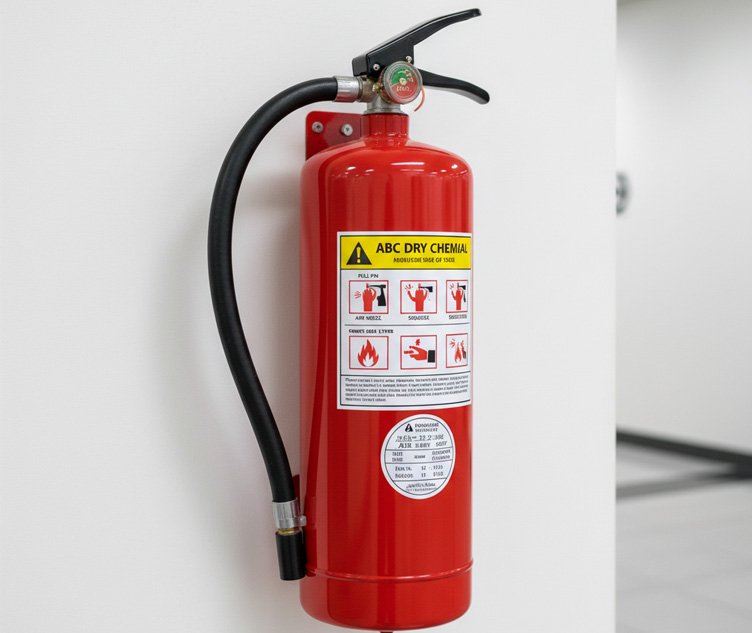
Waltham Forest has a wide variety of property types, from Victorian terraces and converted flats to modern apartment developments and busy retail spaces.
Many older properties in the borough have been altered or subdivided over the years. In some cases, fire protection systems may not fully meet current safety expectations. Converted flats and HMOs can sometimes lack suitable fire separation, protected escape routes, or properly maintained alarms.
The borough also contains many busy commercial areas such as Walthamstow Market, Leyton High Road, and industrial sites around Lea Bridge Road. Shops, cafes, warehouses, and offices all face different fire safety challenges depending on how the building is used.
Another factor is the high number of rental properties in the area. Shared accommodation often requires additional fire precautions because multiple tenants may use kitchens, electrical equipment, and communal areas differently.
A professional fire risk assessment helps property owners identify these issues before they become serious safety concerns.
During fire risk assessments in Waltham Forest, several common issues are regularly identified.
Fire doors are essential for slowing the spread of smoke and flames, but damaged doors, missing seals, or faulty self-closers are common problems.
In residential buildings, hallways and stairwells are sometimes used for storage, reducing safe escape access during emergencies.
Older wiring systems, overloaded sockets, and poorly maintained electrical installations can increase the risk of fire.
Some older buildings still rely on basic alarms that may not provide suitable protection for larger or more complex layouts.
Converted flats may lack adequate compartmentation or protected escape routes if modifications were not completed to modern standards.
Restaurants and takeaway businesses can face increased risks from cooking equipment, extraction systems, and grease build-up.
The assessment process is designed to identify risks clearly while helping property owners understand their responsibilities.
Basic information about the property, occupancy, and layout is reviewed.
A qualified assessor visits the building to inspect fire safety systems, hazards, and escape arrangements.
Potential risks are evaluated based on likelihood and possible consequences.
A written report is provided outlining findings, compliance concerns, and recommended improvements.
Guidance may also be available to help implement necessary safety measures.
We cover all areas of Waltham Forest including Walthamstow (E17), Leyton (E10), Leytonstone (E11), Chingford (E4), Highams Park (E4), Upper Walthamstow (E17) and surrounding locations.
Choosing the right fire safety company is important for both compliance and long-term safety.
Assessments are carried out by professionals familiar with residential and commercial properties.
Reports are written in simple language with practical recommendations.
Understanding Waltham Forest’s property types helps identify common fire safety concerns more effectively.
Inspections can often be arranged around tenants, staff, or business operations to minimise disruption.
Advice focuses on realistic improvements that support compliance and safer buildings.
Questions and concerns can be discussed throughout the assessment process.
A fire risk assessment is not a one-time task. Responsible persons must continue maintaining fire safety systems and reviewing risks regularly.
This may include:
If the building layout changes or occupancy levels increase, the assessment should also be reviewed.
Commercial properties often require more detailed planning because of public access, equipment, and staffing levels.
For example:
Each building should be assessed according to how it is actually used rather than applying a generic approach.
Fire risks can change over time. Renovations, new tenants, equipment upgrades, or layout changes can all affect building safety.
Regular fire safety reviews help ensure buildings remain compliant and properly protected.
A fire risk assessment certificate usually refers to the report confirming that a fire risk assessment has been completed. It outlines identified risks and recommended actions.
The time depends on the size and complexity of the property. Smaller buildings may take around one hour, while larger commercial sites may require more detailed inspections.
Yes. Landlords of HMOs and buildings with communal areas are generally required to carry out fire risk assessments under UK fire safety legislation.
If issues are identified, recommendations will be provided to improve safety standards. Necessary corrective work should be completed promptly.
There is no fixed expiry date, but assessments should be reviewed regularly and updated when significant changes occur within the property.
Yes. Older converted properties may require upgrades to alarms, fire doors, and escape routes to meet current standards.
In many cases, yes. Commercial kitchens and extraction systems can increase fire risks and may require specialist safety measures.
Yes. Shared hallways, staircases, entrances, and corridors are important parts of residential fire risk assessments.
Yes. Depending on the layout and occupancy, HMOs may require interconnected alarms, emergency lighting, and fire-resistant doors.





At frapro.co.uk, we deliver trusted and fully insured fire safety, electrical and gas services for both residential and commercial properties across London. Our qualified and experienced team provides independent, cost-effective solutions tailored to your specific requirements.
+44 1429 801344
admin@frapro.co.uk
127 Baron Road, Dagenham, Essex, United Kingdom, RM8 1TX

Copyright © 2026 Frapro.co.uk. All Right Reserved