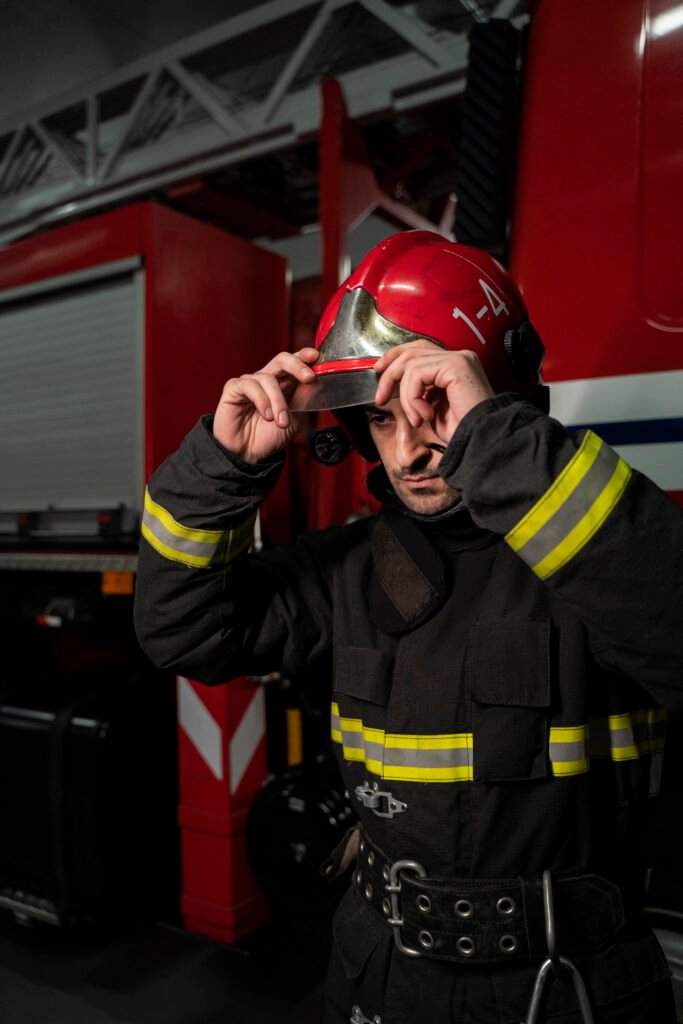
Introduction to Fire Risk Assessments

Fire Risk Assessments for HMO’s in London

Managing HMOs or other rental properties can be challenging. As a landlord, you are responsible for ensuring a safe and risk-free environment for your tenants. HMOs can present several fire hazards, such as unattended electrical sockets or blocked hallways, which can quickly turn into serious and life-threatening situations. Fire safety is not optional for landlords—it is a legal obligation.Houses in Multiple Occupation (HMOs), where three or more unrelated individuals share a property, carry a higher fire risk due to shared living spaces, different tenant behaviours, and higher occupancy levels. For this reason, fire risk assessments for HMOs are a legal requirement under the Regulatory Reform (Fire Safety) Order 2005. A proper fire risk assessment helps identify potential hazards before they lead to disasters, protects lives, and prevents legal or financial penalties for landlords.Beyond legal compliance, regular fire risk assessments demonstrate a landlord’s commitment to tenant safety and help preserve the long-term value of the property.

Affordable Pricing

Prices may vary based on property location, congestion, and parking charges. Extra Emergency Lights Installation – £129

Our Prices

HMO & Rental Home 1–2 Beds – £149
HMO & Rental Home 3–4 Beds – £199
HMO & Rental Home 5–6 Beds – £249

Fire Safety Risk Assessments for HMOs

HMOs differ from regular homes due to shared facilities, higher occupancy, and frequent tenant turnover. Shared kitchens, increased electrical usage, and varying tenant habits can significantly raise the risk of fire. A fire risk assessment ensures that your property is prepared for real-life situations rather than simply meeting minimum legal requirements.

At FRA Pro, our assessments are specifically tailored to the unique conditions of HMOs. We carefully examine all potential risk areas, including faulty wiring, fire detection systems, escape routes, and blocked exits. After the inspection, we provide a detailed written report highlighting what is functioning properly and what requires improvement. This allows landlords to take timely action, remain legally compliant, and reduce the risk of emergencies, penalties, or property damage.
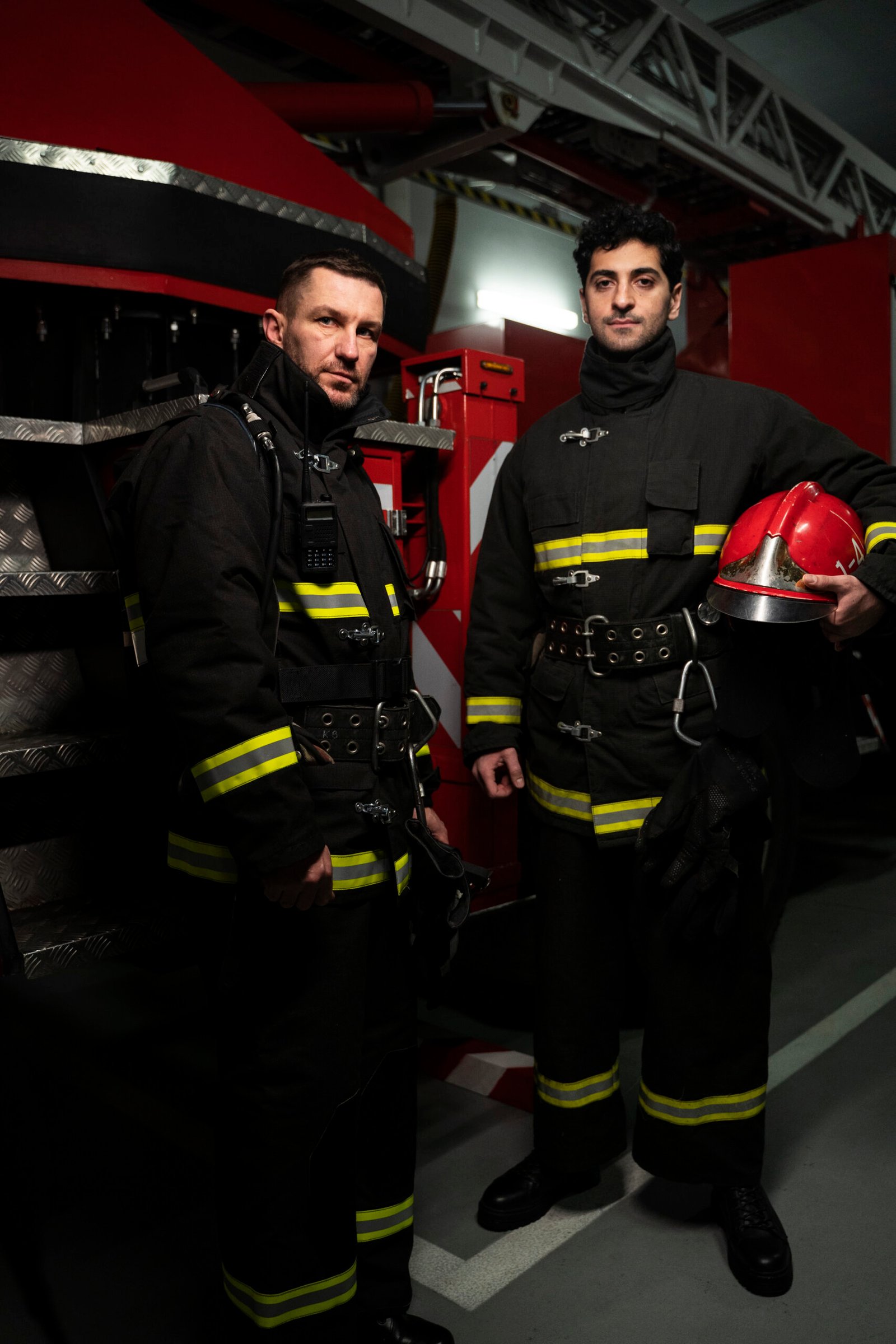
Understanding HMO Fire Safety Regulations

As a landlord or managing agent, you are legally responsible for fire safety in your HMO under the Regulatory Reform (Fire Safety) Order 2005. If your property houses three or more tenants sharing facilities such as a kitchen or bathroom, you are required to carry out a formal fire risk assessment.

This involves identifying potential fire hazards early, reducing possible risks, and ensuring that all escape routes remain clear and accessible, especially during an emergency. HMOs must also comply with local council licensing requirements, which often include interlinked smoke alarms, emergency lighting, and properly installed fire doors.

Failure to comply with these regulations can result in serious consequences, including heavy fines, legal action, or even the closure of your property. With the right professional support, however, maintaining compliance becomes straightforward while protecting your tenants, your property, and your reputation.

BookFire Risk Assessment Today!

Identifying Fire Hazards in HMOs

HMOs can present several fire hazards that require careful attention. In shared kitchens, overloaded sockets and unattended appliances are common risks, while tenants may also use portable heaters or cooking equipment in bedrooms, increasing the danger, especially when combined with damaged sockets or loose wiring. Blocked hallways, faulty light switches, and damaged or propped-open fire doors can obstruct safe escape during an emergency, and even small oversights, such as storing items under the stairs, can become serious hazards if a fire occurs. Tenant behaviour can also contribute to the risk, including indoor smoking, the use of flammable sprays, or leaving cooking unattended. For this reason, thorough room-by-room inspections are essential to identify potential hazards early and reduce risks for both tenants and landlords.


Evaluating the Level of Fire Risk

Finding a hazard is only the first step. A full fire risk assessment also evaluates how likely the hazard is to cause harm and how severe the consequences could be. Our assessors examine every aspect of the property, including tenant behaviour, the building’s layout, escape routes, and existing fire protection measures. We check whether the alarm systems function properly, whether fire doors close correctly, and whether occupants can exit the building safely in an emergency. By considering real-life scenarios rather than simply ticking boxes, we provide landlords with a clear understanding of potential risks, what needs improvement, which issues require urgent attention, and the best steps to take to ensure safety and compliance.


Implementing Fire Safety Measures in HMOs

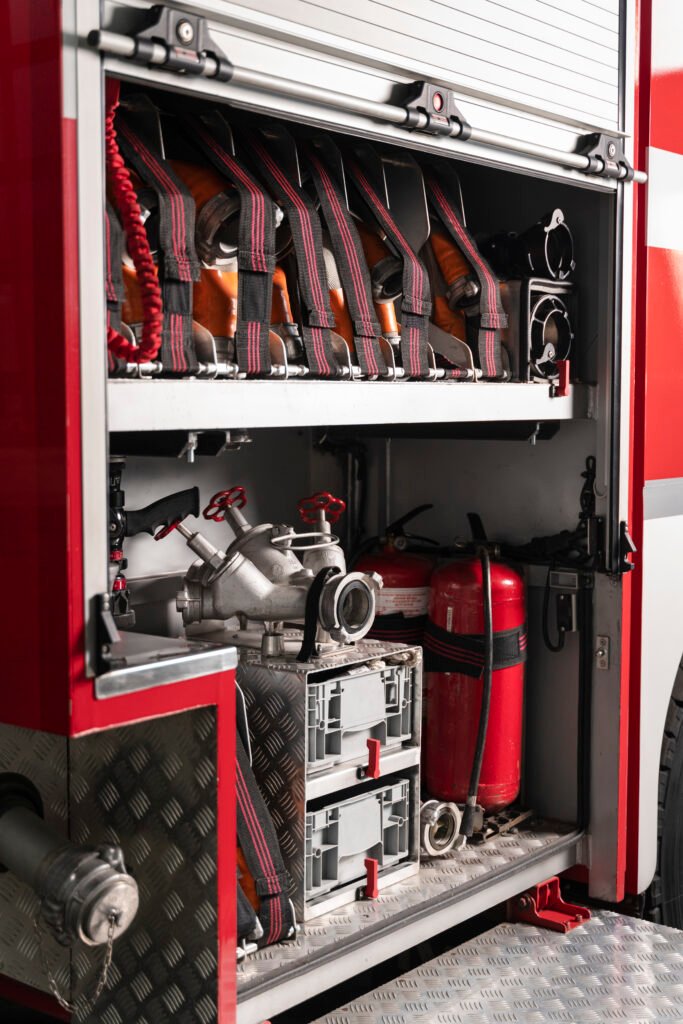
After identifying the risks, the next step is taking action. Our reports provide clear and practical recommendations to help you reduce fire hazards and meet legal requirements. Typical improvements may include installing interconnected smoke and heat detectors, adding emergency lighting in hallways and stairwells, and ensuring that all fire doors close automatically and provide at least 30 minutes of fire resistance. We may also recommend installing fire blankets in kitchens, checking that fire extinguishers are accessible and properly serviced, and, where necessary, guiding tenants on how to use fire safety equipment correctly. Together, these measures help minimise risks, reduce potential damage, and ultimately protect lives.


Educating and Training HMO Occupants

Fire safety is not only about alarms and extinguishers. Even the most advanced systems can fail if tenants do not know how to respond during an emergency. Clear guidance and basic training can turn confusion into life-saving action. Landlords should provide simple fire safety instructions in communal areas, explaining how to escape safely and highlighting items that should not be used in the property, such as large heaters or deep fryers. These guidelines can also be included in a welcome pack for new tenants. Small measures like clear signage and reminders encourage tenants to take fire safety seriously. Effective communication, combined with proper safety equipment, helps create a safer and more reliable fire protection system for everyone in the property.


Regular Review and Updates of Fire Assessments

Fire risk assessments are not a one-time task. Whenever there are changes to the property—such as alterations to the layout, the addition of furniture or appliances (for example, placing a fridge in a hallway), or new tenants moving in—the assessment may need to be updated. Even minor changes, like renovating a bathroom or changing the use of a room, can affect escape routes or increase potential risks. What was compliant last year may not necessarily meet current safety needs. For this reason, it is recommended to review your fire risk assessment at least once a year, or sooner if significant changes occur. FRA Pro offers simple follow-up assessments to help landlords stay compliant, respond quickly to changes, and avoid unnecessary stress during renewals.


BookFire Risk Assessment Today!

Choosing a Competent Fire Risk Assessor

Not all assessors are equal, so when evaluating your HMO, choose someone qualified, experienced, and registered with a recognised industry body, who understands HMO operations, the Fire Safety Order, local licensing requirements, and carries the right insurance; a good assessor won’t just hand over a checklist—they’ll explain what needs fixing, offer practical solutions, and be available for follow-up questions. At FRA Pro, all our assessors meet industry standards, have extensive experience with London rental properties, and are accredited by respected fire safety organisations, ensuring quality, compliance, and professional integrity while keeping you fully protected.

Basic Fire Safety Standards for Residential HMOs

All HMOs must meet basic fire safety standards to stay legal and keep tenants safe. This includes:


Fire Detection and Warning Systems

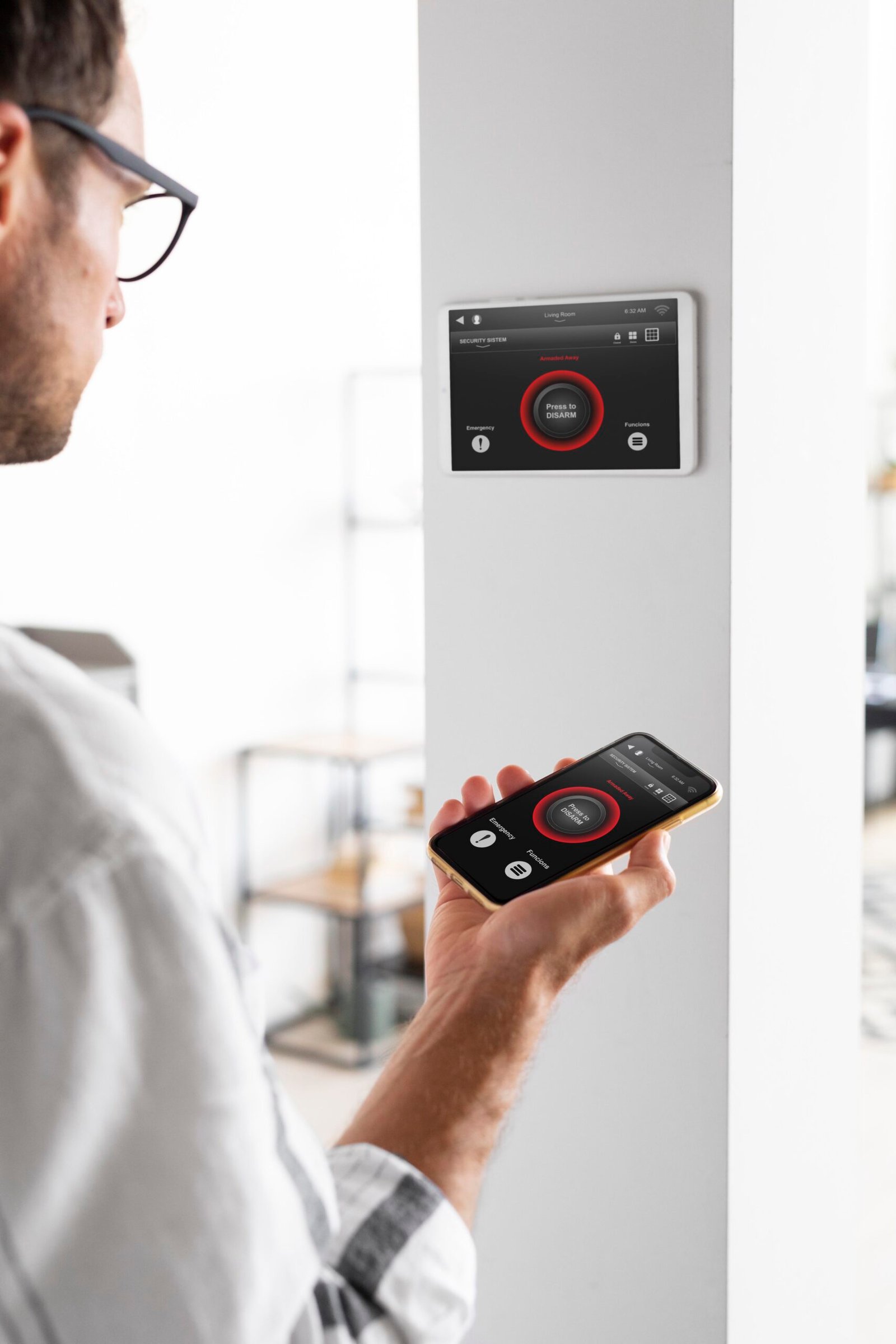
You’ll need interconnected smoke alarms in bedrooms and hallways, and heat detectors in kitchens. These should be hardwired, not battery-operated, and tested regularly.


Fire Doors

Fire doors help contain flames and smoke, giving tenants time to escape. These doors should be fitted to rooms opening onto escape routes and must close automatically.


Emergency Escape Routes

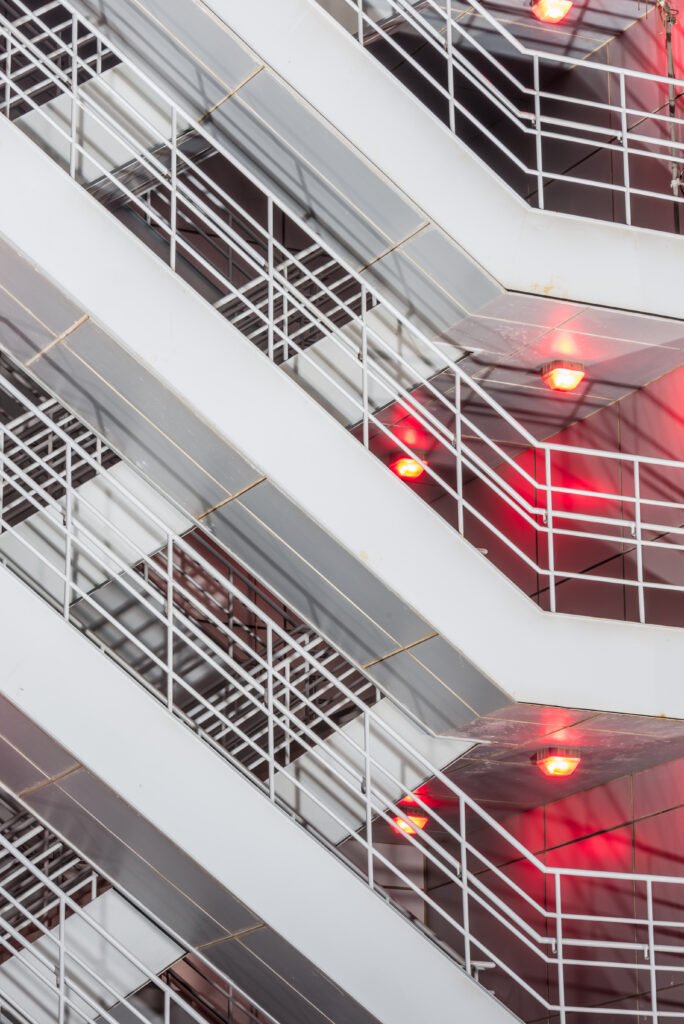
Hallways and stairwells must stay clear at all times. They should be well-lit, marked with exit signs if needed, and lead to doors that open easily without a key.


Firefighting Equipment

In larger HMOs, fire blankets in kitchens and extinguishers in communal areas may be required. These should be checked yearly, and tenants, whether new or older ones, should be educated on how to use them safely.Together, these features give tenants the time and ability to escape and help keep small incidents from becoming serious emergencies.


Ensure Safety with Expert Lighting Setup

Accreditation, Certification & Competency

We specialise in Fire Risk Assessments for Houses of Multiple Occupation (HOMs). All of our engineers and fire safety inspectors are fully qualified and certified by leading UK industry bodies, including City & Guilds, NEBOSH, NAPIT, EAL, IFSM, and UK Fire Door Training. Our services strictly adhere to British Standards and current UK fire safety legislation. We prioritise continuous professional development to ensure our team remains up to date with the latest fire safety regulations. When you choose us, you’re entrusting your property to fully trained professionals with the knowledge and certifications required to carry out comprehensive fire risk assessments for HOMs.


Frequent Fire Safety Challenges in HMOs

Many fire safety issues in HMOs repeat themselves. Tenants come and go, and with that, wear and tear builds up, causing loose wires, faulty alarms, or doors that no longer close properly. Sometimes, tenants use unsafe appliances or block hallways with laundry or bikes.Without regular checks, these risks go unnoticed. And if tenants don’t know how to report issues, or landlords don’t have a system in place, simple problems can turn dangerous.


.

Unauthorised Appliance Usage

Tenants may bring in heaters, fryers, or cookers. These add risk, especially if the electrical system can’t handle the load. Our assessments help spot this and set clear boundaries.


Blocked Escape Routes

Boxes, furniture, or drying racks in hallways can make escape impossible. We check for these hazards and help you set rules to keep exits clear.


Overloaded Electrical Circuits

Too many high-powered devices on old wiring is a fire waiting to happen. We identify overloads and recommend solutions.


Poor Alarm Maintenance

Dead batteries or painted-over smoke detectors make alarms useless. We provide advice on regular checks and how to keep things working.


Tenant Awareness Gaps

Small actions, such as wedging open a fire door or overcharging a device, can increase danger. Landlords should share simple safety information often and remind tenants of the rules.


Ensure Safety with Expert Lighting Setup

Fire Risk Assessment Steps for HMOs

A fire risk assessment for an HMO starts with a walk-through. The assessor looks at every part of the building, bedrooms, kitchens, communal spaces, asking, “What’s the risk here?” and “Who might be affected?” They consider how someone would escape in daylight and even at night. They check for fire hazards, test systems, and review building layouts. Then, they judge the severity and likelihood of each issue. All this goes into a clear, written report that highlights what is safe, what needs fixing, and who is responsible. It also includes a plan for regular reviews, like checking alarms monthly and doors yearly, so safety stays on track.


Ensure Safety with Expert Lighting Setup

Fire Safety Resources and Guidance for HMO Landlords

There are many resources available to help landlords stay compliant. The Institute of Fire Engineers, LACORS, and local fire services (like East Sussex Fire & Rescue) publish up-to-date guidance. At FRA Pro, we stay current with these regulations and translate them into simple, practical steps for landlords. That way, you don’t need to worry about missing a change or misunderstanding complex rules.


Frequently Asked Questions (FAQs)

Yes. Under the Fire Safety Order 2005, all HMOs must undergo a formal fire risk assessment covering communal areas. This is not optional; it is a legal duty for landlords and managing agents.


In London, it is a legal requirement for all types of residential buildings—including HMOs, blocks of flats, and any property with shared areas—to have a fire risk assessment. Such assessments ensure the safety of the property and maintain full legal compliance. Even in cases where it is not legally required, conducting a fire risk assessment is highly recommended, as it helps safeguard your loved ones, reduce the risk of serious accidents, and protect your property from potential hazards.

Even when unoccupied, the property must remain safe and secure. Fire hazards can still exist during renovations or between tenants, and a current risk assessment may still be required for insurance or legal purposes.


The pricing factor depends on the type, size, layout, and complexity of the issue, in addition to the number of communal areas. At FRA London, we offer transparent services by focusing on maximum value and quality work. We don’t implement any unnecessary costs; we provide friendly and budget-controlled services by ensuring safety concerns and legal requirements.


While technically allowed for very small, low-risk properties, most HMOs are complex and require professional oversight. Self-assessments often miss critical hazards and may not satisfy enforcement officers.


You should review your assessment annually, or sooner if there are significant changes like new tenants, layout changes, or updates to regulations. Staying ahead of the law is key to avoiding penalties.


Non-compliance can lead to heavy fines, prohibition notices, or prosecution. More importantly, if a fire does occur, failure to conduct a proper assessment can result in tragic consequences and legal liability.


Free Resources and Compliance Tools


Online Asbestos Client Portal

FRA Pro’s secure web portal provides 24/7 access to asbestos survey reports, management plans, and compliance data. This centralised system makes it easy to store and access essential data for communication and record-keeping.

Free Asbestos Safety Audit

We offer free asbestos safety audits to ensure your property meets standards. Our professionals evaluate and create personalised action plans to solve issues, helping you stay safe and comply with laws.

Educational Resources

Learn about asbestos dangers and management from our extensive library. These manuals, checklists, and training materials promote asbestos knowledge and control in your organisation.

.

Get Your Free Quote Today

FRA Pro offers complimentary fire safety quotes for your property. Our team conducts thorough and prompt assessments, ensuring full compliance with current regulations and providing clear guidance to give you complete peace of mind.

Contact Form

Fill out our quick contact form with your name, email, phone number, and a brief description of your requirements. Our team will respond promptly to address your fire door inspection needs and provide expert guidance.

Contact Information

Phone: +7478 076550

Email: admin@frapro.co.uk

Address: 127 Baron Road, Dagenham, Essex, United Kingdom, RM8 1TX