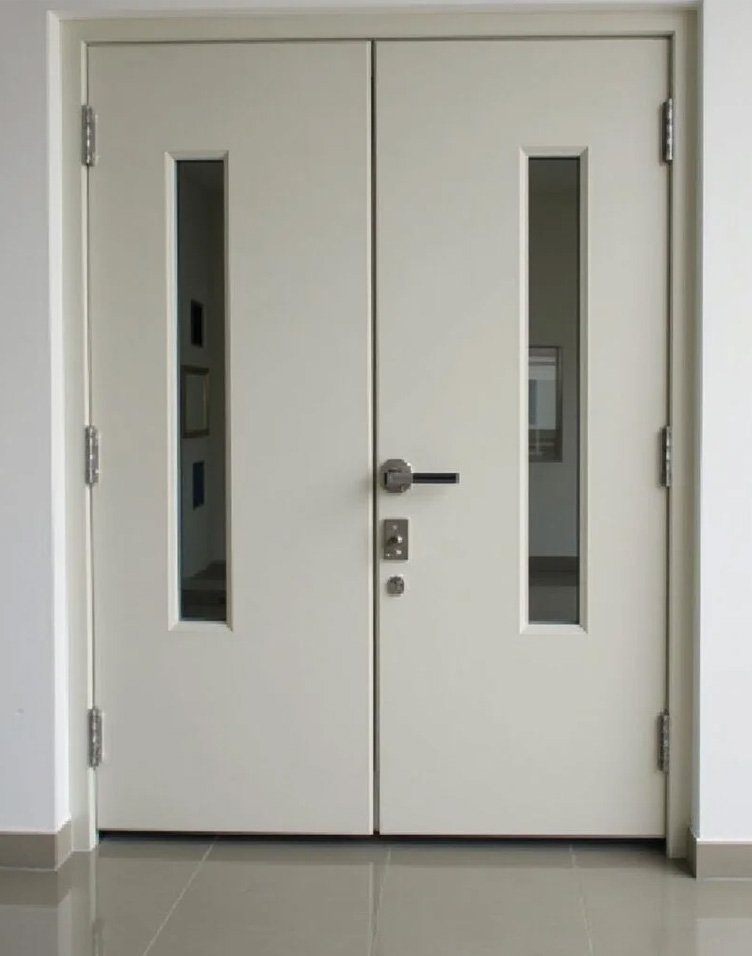
It depends on your property’s use and occupancy whether it requires a fire safety certificate. Generally, a fire safety examination is necessary for any non-domestic facility, including public buildings, commercial spaces, and places of employment.
- Criteria for determining if a property requires a Fire Safety Certificate.
A Fire Safety Certificate is necessary for non-domestic premises, such as those with many residents (like HMOs) or buildings with fire dangers. The criteria include the property’s use, occupancy, and potential fire dangers, guaranteeing compliance with fire safety requirements. - Certification is required for various types of properties, such as Residential, Commercial, and HMO (House in Multiple Occupations).
Different properties require fire safety certifications, such as commercial properties (shops and offices), Houses in Multiple Occupations, and residential buildings such as apartments and flats. These properties must meet fire safety regulations to ensure the safety of occupants. - Common scenarios where certification is mandatory.
Certification is mandatory in several situations, such as converting a property from residential use, operating an HMO, or managing a commercial space. Additionally, up-to-date fire safety is required if you rent out properties or manage public buildings.